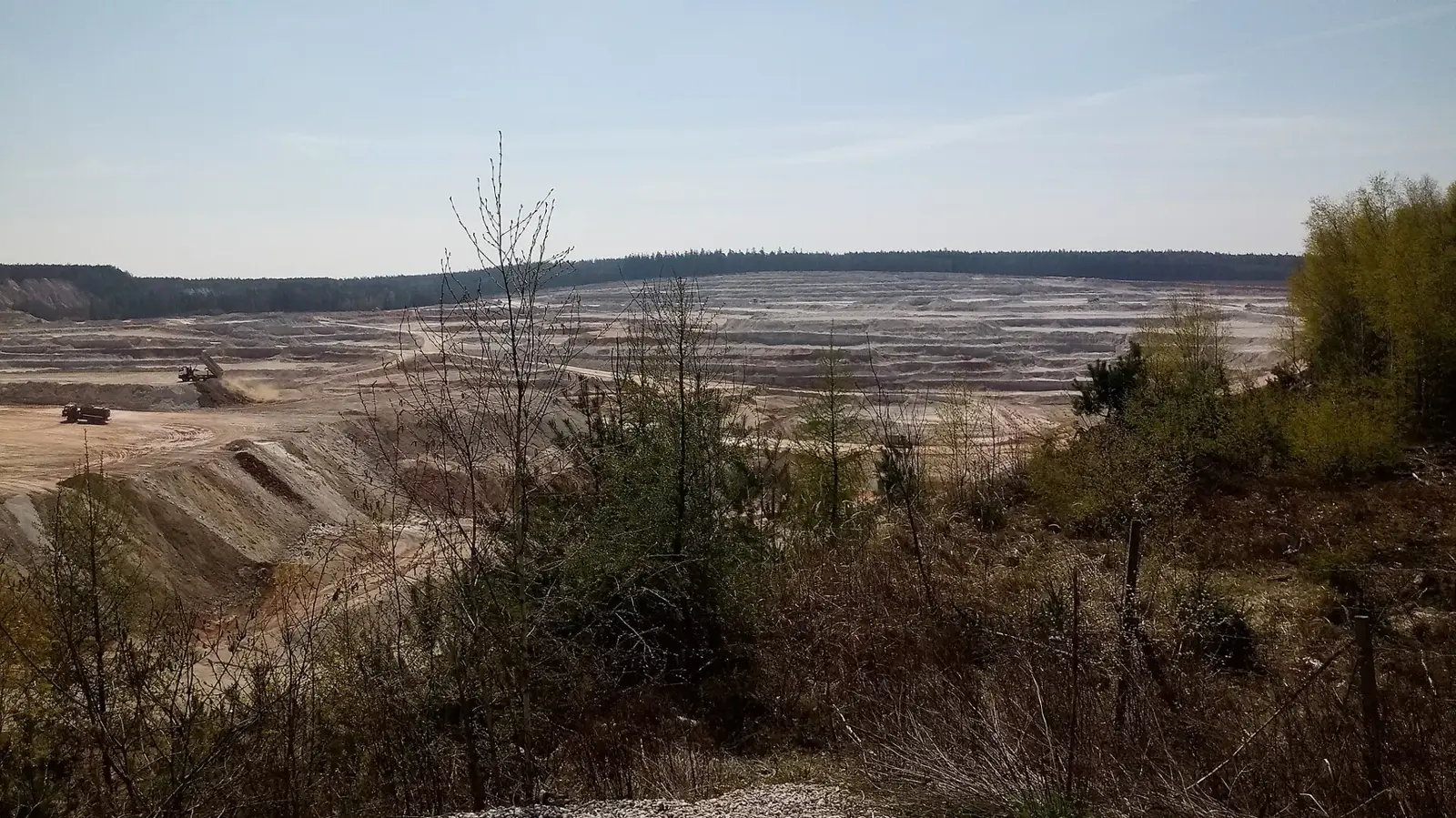
Ceramics
In sanitaryware, tableware, tiles and porcelain, kaolin supplies alumina and fine plastic particles. It gives green strength, controls slip rheology and contributes to fired whiteness and refractoriness. Specify Fe₂O₃ and TiO₂ (fired colour), fired whiteness at your firing temperature, alkalis, and particle size. See ceramic kaolin.
Paper
As a coating pigment and filler, kaolin’s platy particles improve smoothness, gloss, opacity and ink receptivity. Specify ISO brightness, particle size distribution (% < 2 µm), high-solids viscosity, and very low grit to protect blades and wires. See paper kaolin.
Rubber, plastics and paint
In rubber, kaolin works as a non-black filler that raises stiffness and tear resistance and keeps colour light; calcined and surface-treated grades are used where electrical properties matter, such as cable compounds. In paint it extends TiO₂ and adds opacity. Specify particle size and D50, oil absorption, low grit, pH, and — for rubber — low copper and manganese, which are known to damage rubber ageing. See filler kaolin and hydrous vs calcined.
Fiberglass
In glass batch, kaolin is an economical source of alumina and silica. E-glass, the common continuous-filament composition, typically contains roughly 12–16 % Al₂O₃ in the glass. Specify stable Al₂O₃/SiO₂ from lot to lot, low Fe₂O₃ (glass colour and melting), low alkalis, and controlled particle size and moisture for even batching. See fiberglass-grade kaolin.
FCC catalysts
In fluid catalytic cracking catalysts, kaolin serves as matrix and filler and as a raw material for zeolite that is crystallised in situ from calcined kaolin microspheres. Specify kaolinite content, low free quartz, low Na₂O + K₂O (alkali damages zeolite activity), low iron and fine, narrow particle size. See catalyst-grade kaolin.
Quick reference
| Industry | Role of kaolin | Key parameters to specify |
|---|---|---|
| Ceramics | Alumina, plasticity, fired colour | Fe₂O₃, TiO₂, fired whiteness, alkalis, particle size |
| Paper | Coating pigment and filler | ISO brightness, % < 2 µm, viscosity, grit |
| Rubber / paint / plastics | Functional filler, TiO₂ extender | D50, oil absorption, whiteness, grit, pH |
| Fiberglass | Alumina source in batch | Al₂O₃/SiO₂ stability, Fe₂O₃, alkalis |
| FCC catalyst | Matrix; in-situ zeolite feedstock | Kaolinite content, quartz, Na₂O + K₂O, Fe₂O₃, fineness |
All reference ranges are on the grade pages and are typical values, not guarantees; final specifications are agreed per customer.
Frequently asked questions
Which kaolin grade is right for my industry?
Start from the grade page for your industry — ceramic, paper, filler, fiberglass or catalyst — and use the Spec Builder to adjust target, minimum and maximum for each parameter. A sample test in your own process is the final check.
Why do rubber buyers ask about copper and manganese in kaolin?
Copper and manganese compounds can accelerate rubber ageing, so rubber specifications often limit them. Ask your supplier whether these can be reported for your grade.
Why does catalyst kaolin need low alkali?
Sodium and potassium can reduce the activity and stability of zeolite in FCC catalysts, so catalyst grades limit Na₂O + K₂O.
Related guides
Need a sample or a quote?
Free samples available on request. Build your spec in two minutes and send it via WhatsApp or email.
Published: · Updated: